I don't know what it is, but something about the European medieval era has always fascinated me. The architecture, the fashion, the ideas, the history, all of it. There is something so romantic about a period that feels worlds away from the way we live today. I've been following fashion trends on social media, revisiting past runway collections, and as always, the boho 70s seem to make their way back around for the fall season. However, this year feels a little different, and I have a feeling we'll be seeing even more of it heading into 2027.
It's not just a bohemian look, but something much more feminine, romantic, and almost historical. Think flowing silhouettes, delicate lace, velvet, dramatic sleeves, corseted waists, intricate embroidery, and fabrics that look like they belong in another century.
The history behind the looks
The Middle Ages spanned roughly a thousand years, from the 5th to the 15th century. It was a period of incredible artistic and architectural development, but also one of considerable hardship. I think it's important to acknowledge both sides of the era, especially when we're romanticizing its aesthetic.
Between the 11th and 13th centuries, Europe experienced significant growth in trade, education, and architecture. Gothic architecture flourished, giving us magnificent structures like Notre-Dame in Paris and Chartres Cathedral. Universities developed in cities like Paris, Bologna, and Oxford, while skilled artisans became increasingly important to European society. There was also a growing appreciation for craftsmanship, particularly in textiles, metalwork, illuminated manuscripts, and decorative arts. Clothing became an important expression of wealth and social standing, with elaborate fabrics, embroidery, and embellishments distinguishing different classes.
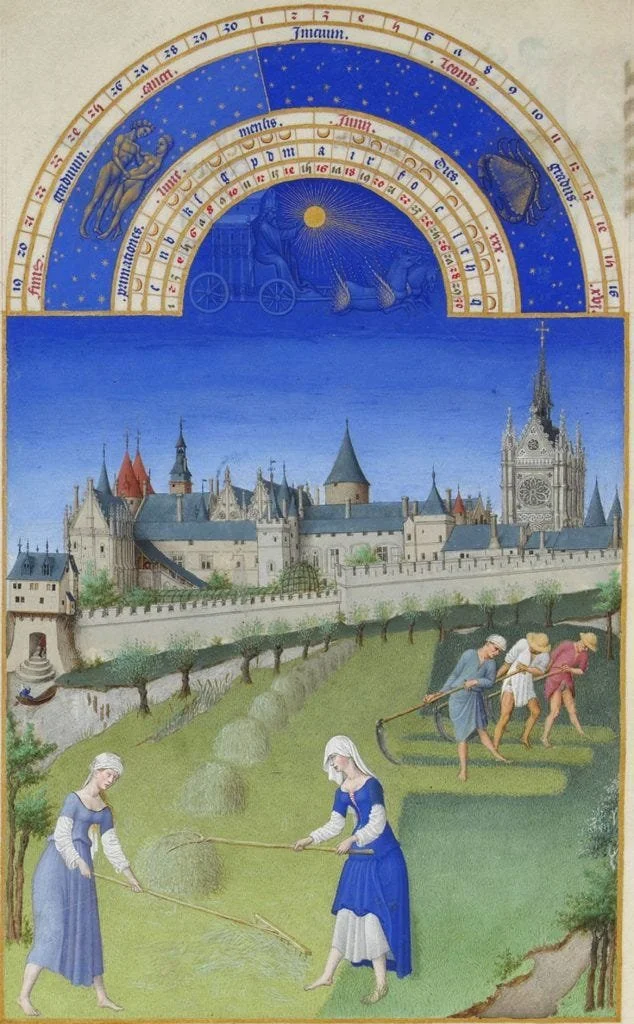
June, from The Très Riches Heures du Duc de Berry (c. 1412–1416), an illuminated medieval manuscript depicting peasants harvesting hay outside the Palais de la Cité in Paris. Created by the Limbourg Brothers.
But medieval Europe wasn't all grand cathedrals and beautiful gowns. The 14th century brought the Great Famine of 1315–1322, followed by the Black Death, which reached Europe in 1347 and killed an estimated one-third to one-half of the population in many affected regions. The Hundred Years' War between England and France, which lasted from 1337 to 1453, brought generations of conflict and destruction.
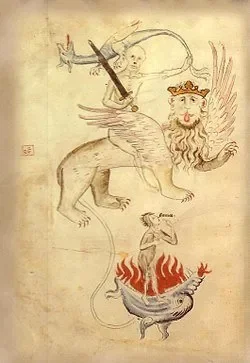
From the Apocalypse in a Biblia Pauperum illuminated at Erfurt around the time of the Great Famine.
It was a complicated period where extraordinary creativity and human suffering existed side by side. Perhaps that's part of what makes it so fascinating to me. Despite the uncertainty and hardship, people continued to create beautiful things. They built magnificent structures, produced intricate works of art, and developed textile traditions that we still admire centuries later.
And it's that craftsmanship, creativity, and attention to detail that I find so interesting when looking at medieval fashion today.
A return to romantic dressing
I think what I appreciate most about medieval-inspired fashion is that it isn't something you can recreate so easily by purchasing an entirely new outfit. It requires a little more thought. You have to source the clothing, consider the textures, find the right silhouettes, and pay attention to the smaller details. It's less about following a specific trend and more about building a wardrobe that feels collected over time.
We've spent so much time seeing minimalism, oversized basics, and effortless dressing dominate our wardrobes. And while I'll always appreciate a good pair of tailored trousers and a simple knit, I'm finding myself drawn to clothing that feels a little more expressive.
Ralph Lauren and the inspiration behind it
If I had to choose one collection that captures the direction I want to take my own wardrobe, it would be Ralph Lauren's Fall 2026 collection. It's almost exactly the vision I've been trying to put into words. There is a beautiful balance between ruggedness and romance, with pieces that feel collected from another time rather than designed around a particular trend.
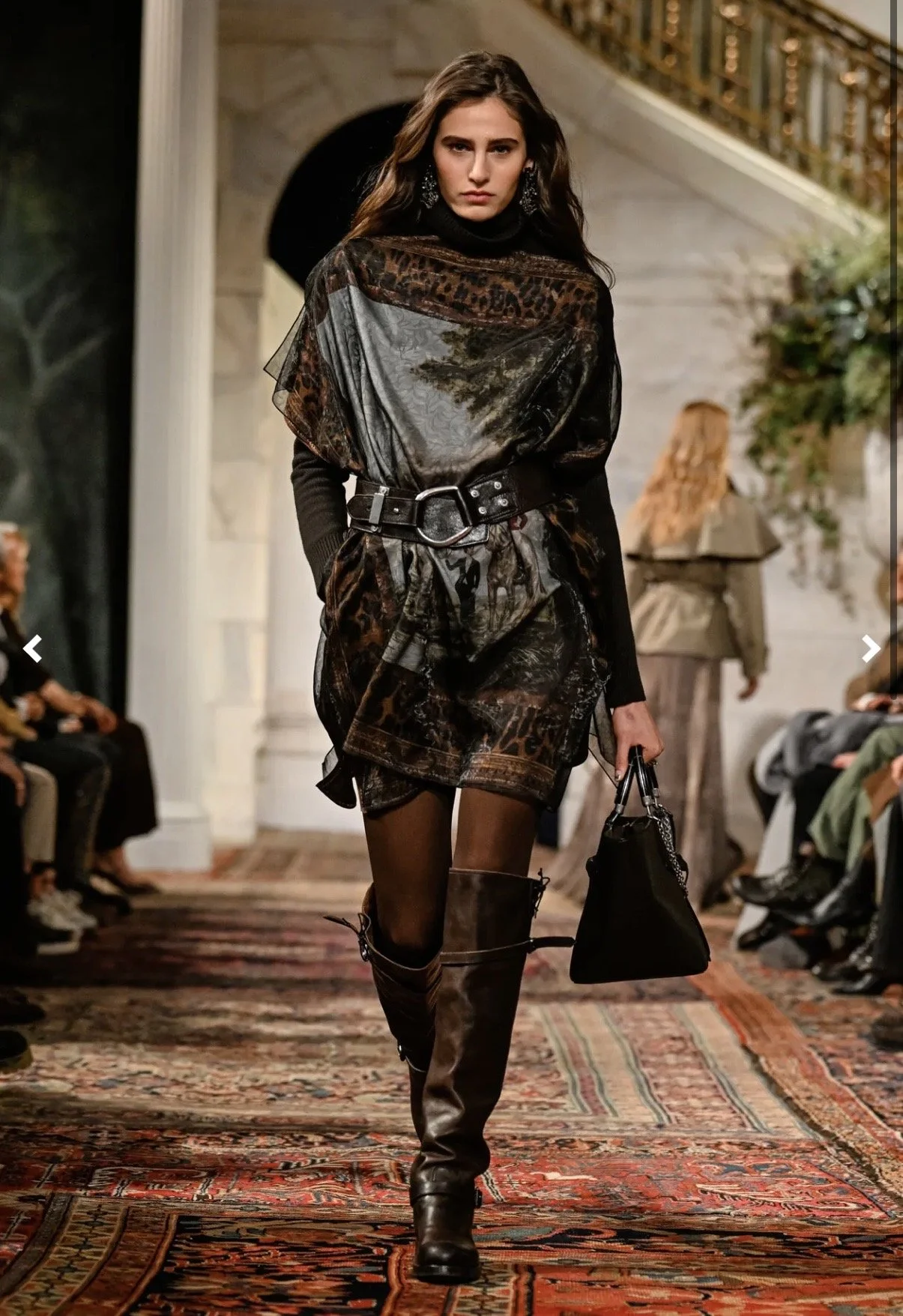
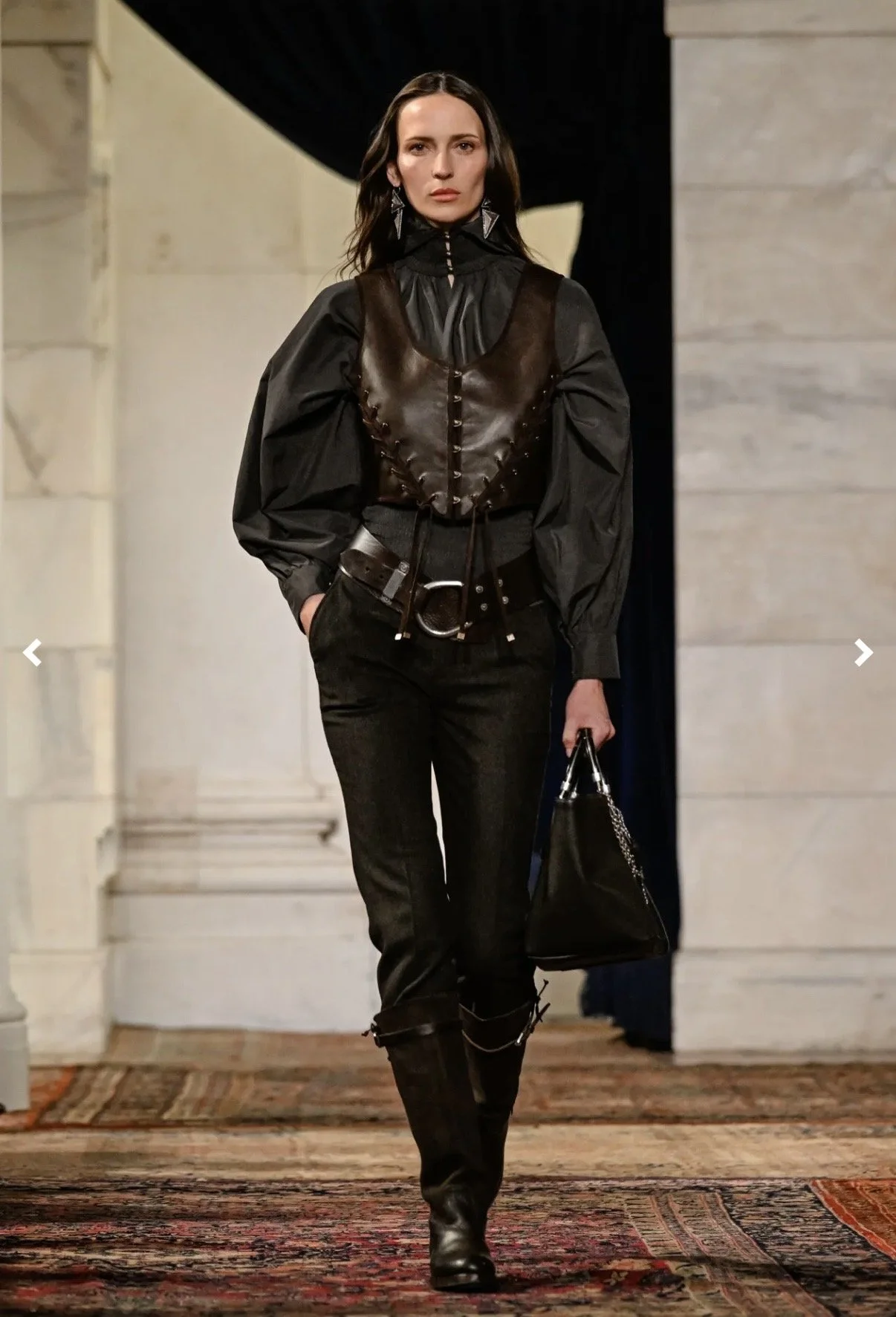
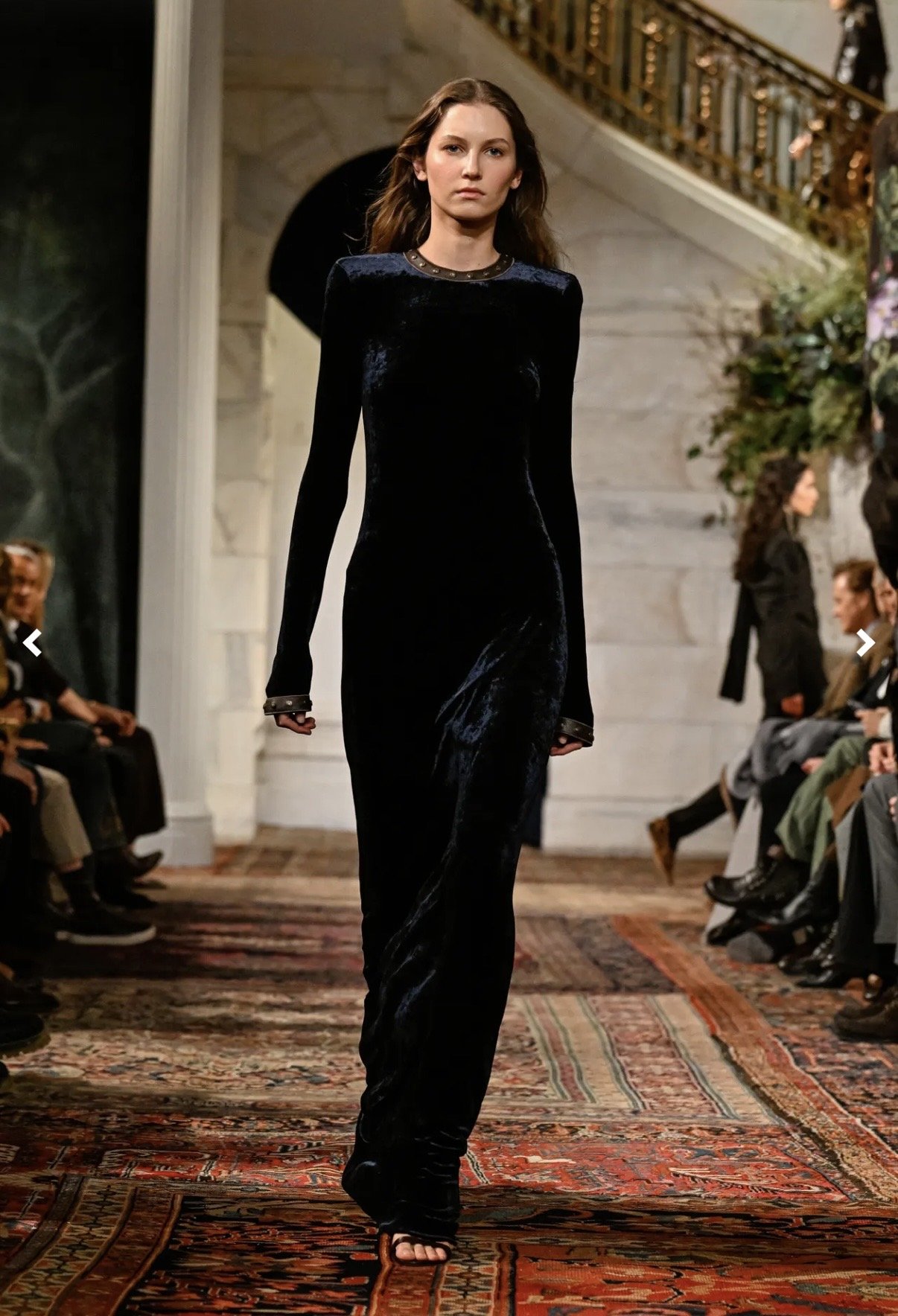
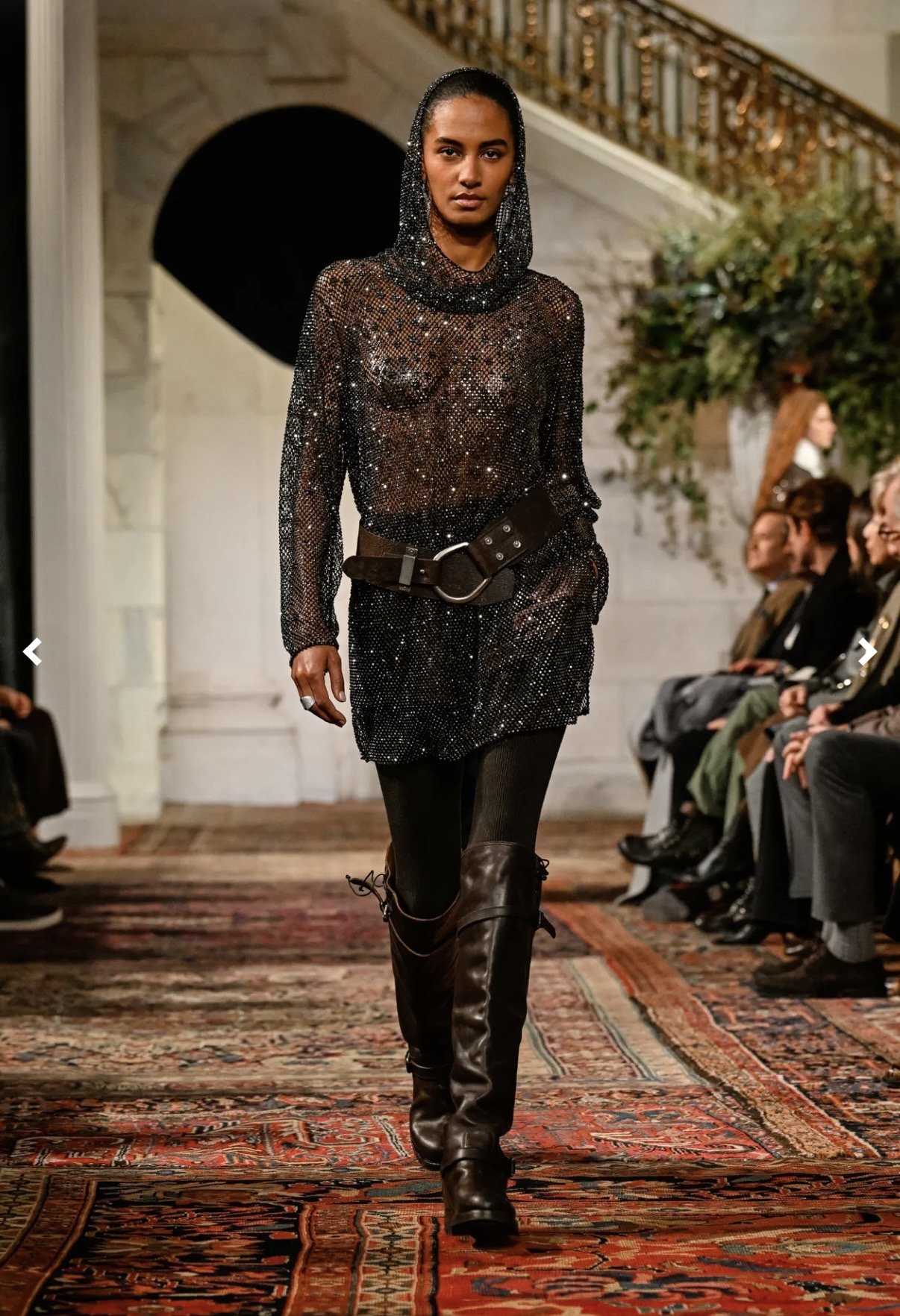
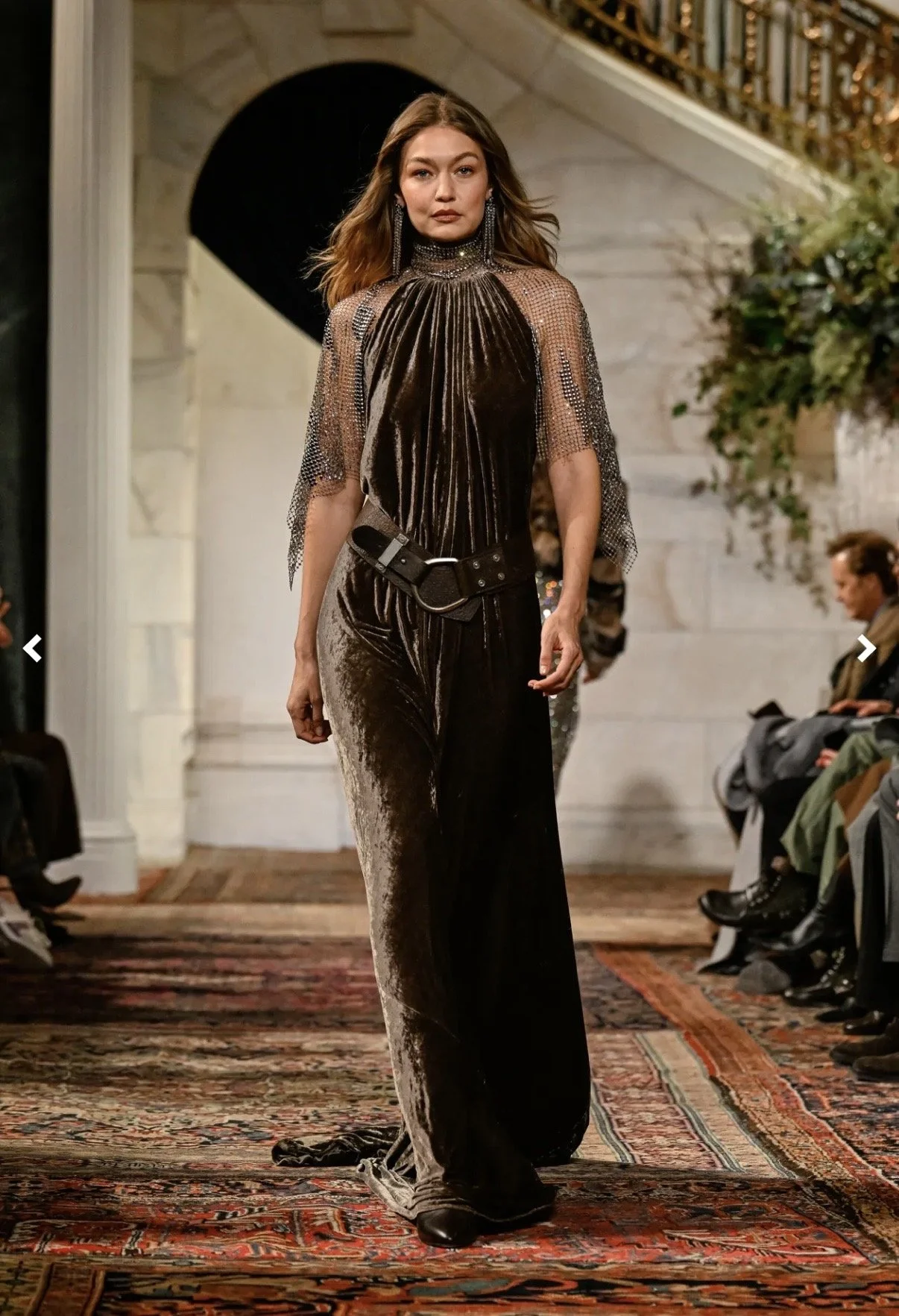
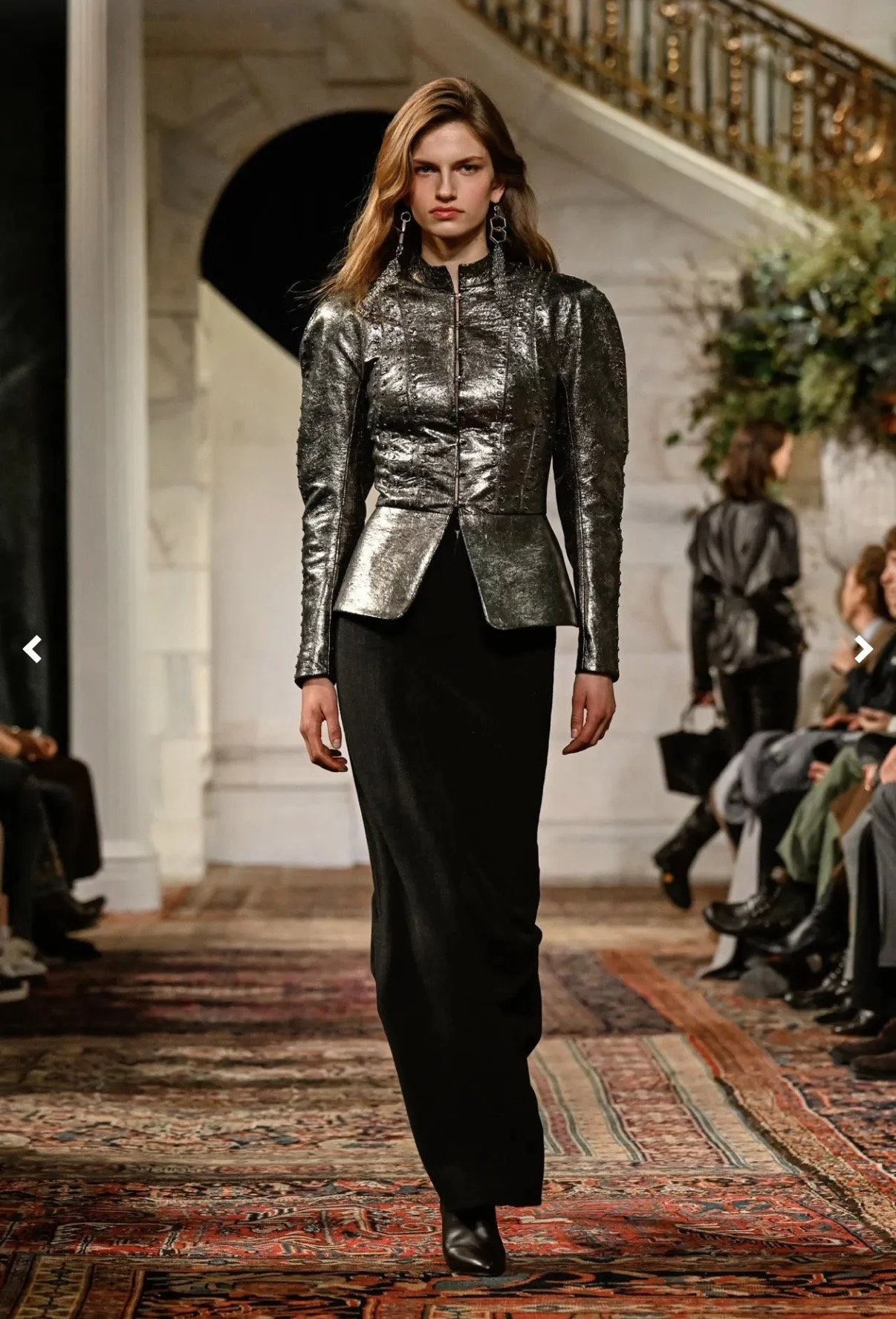
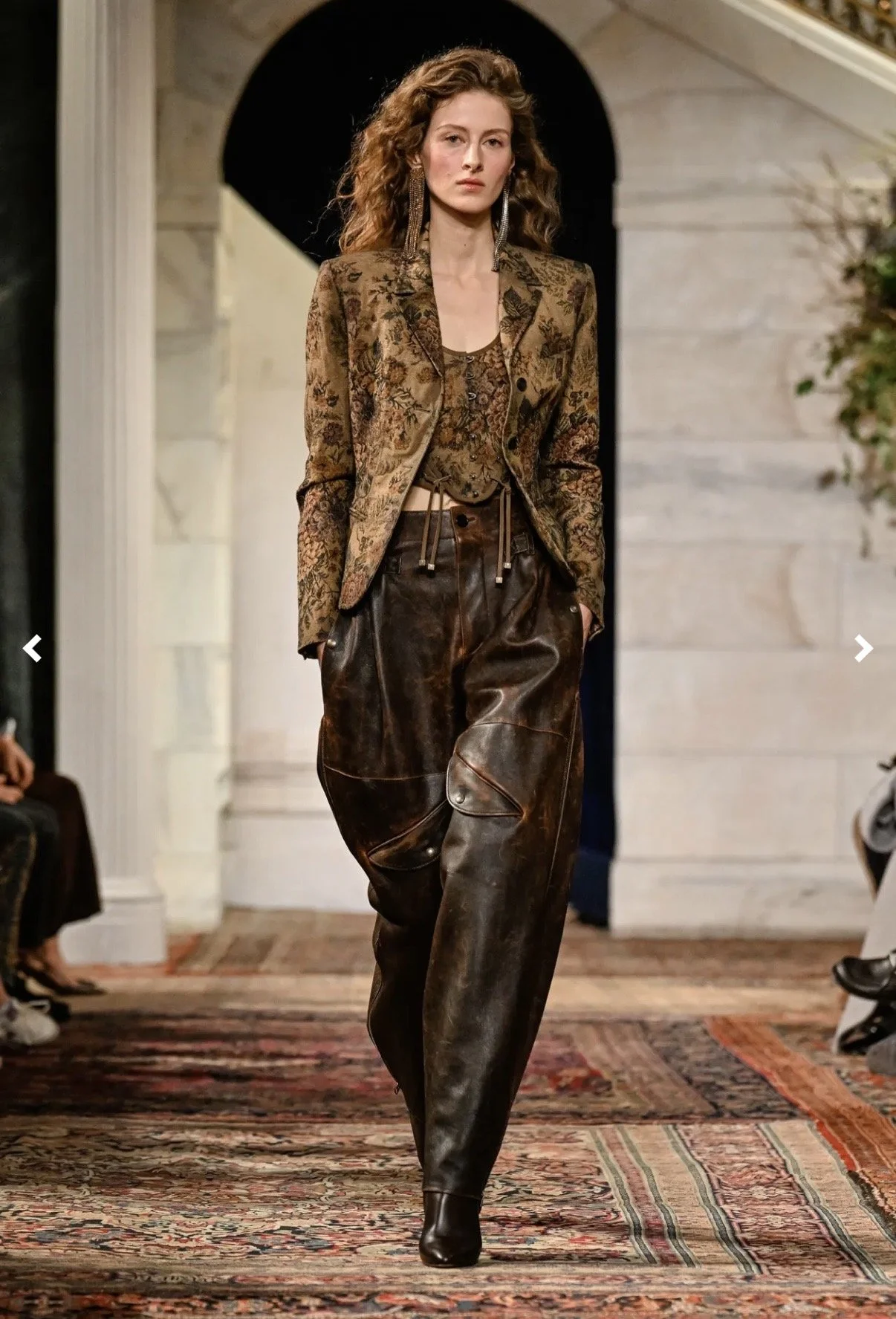
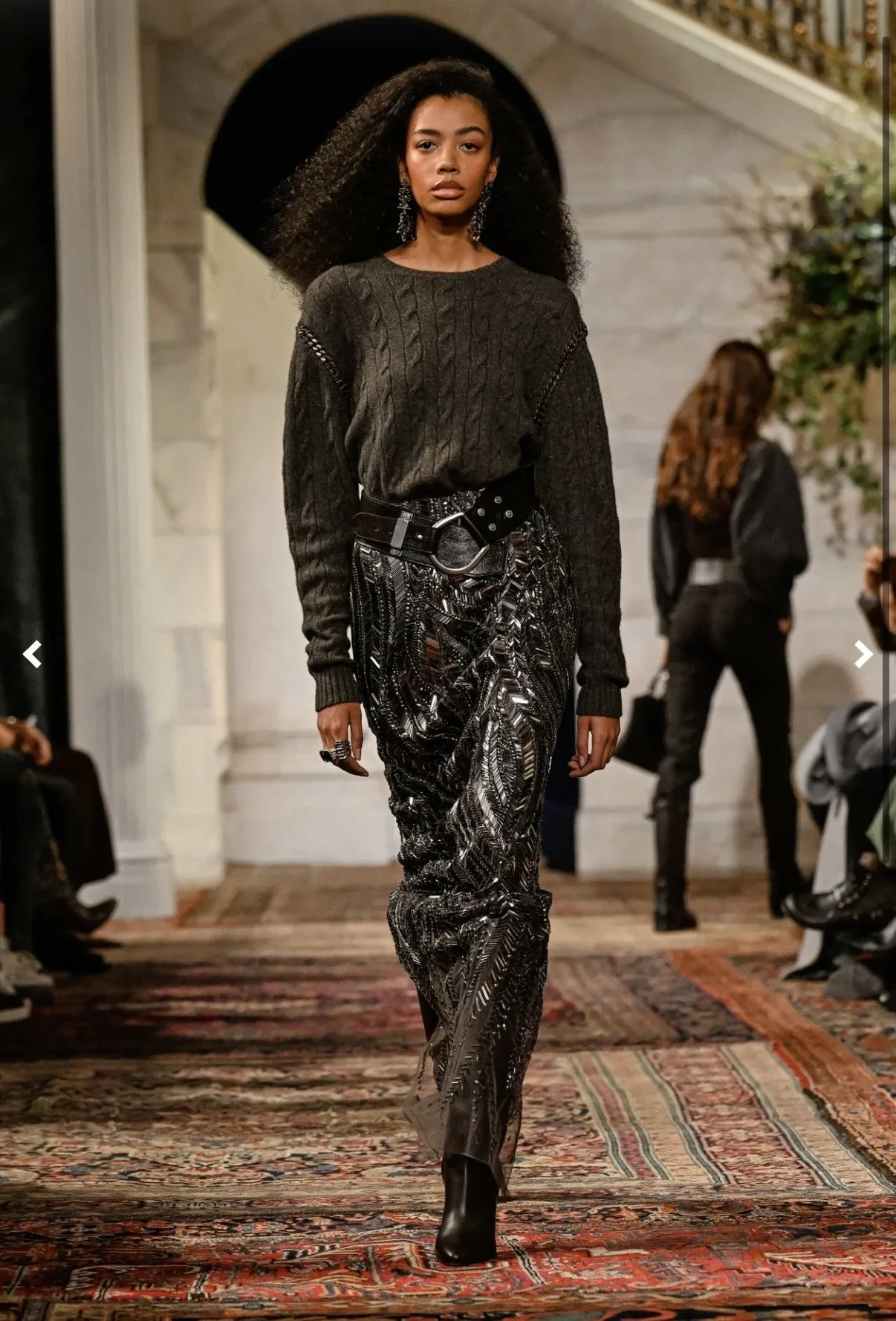
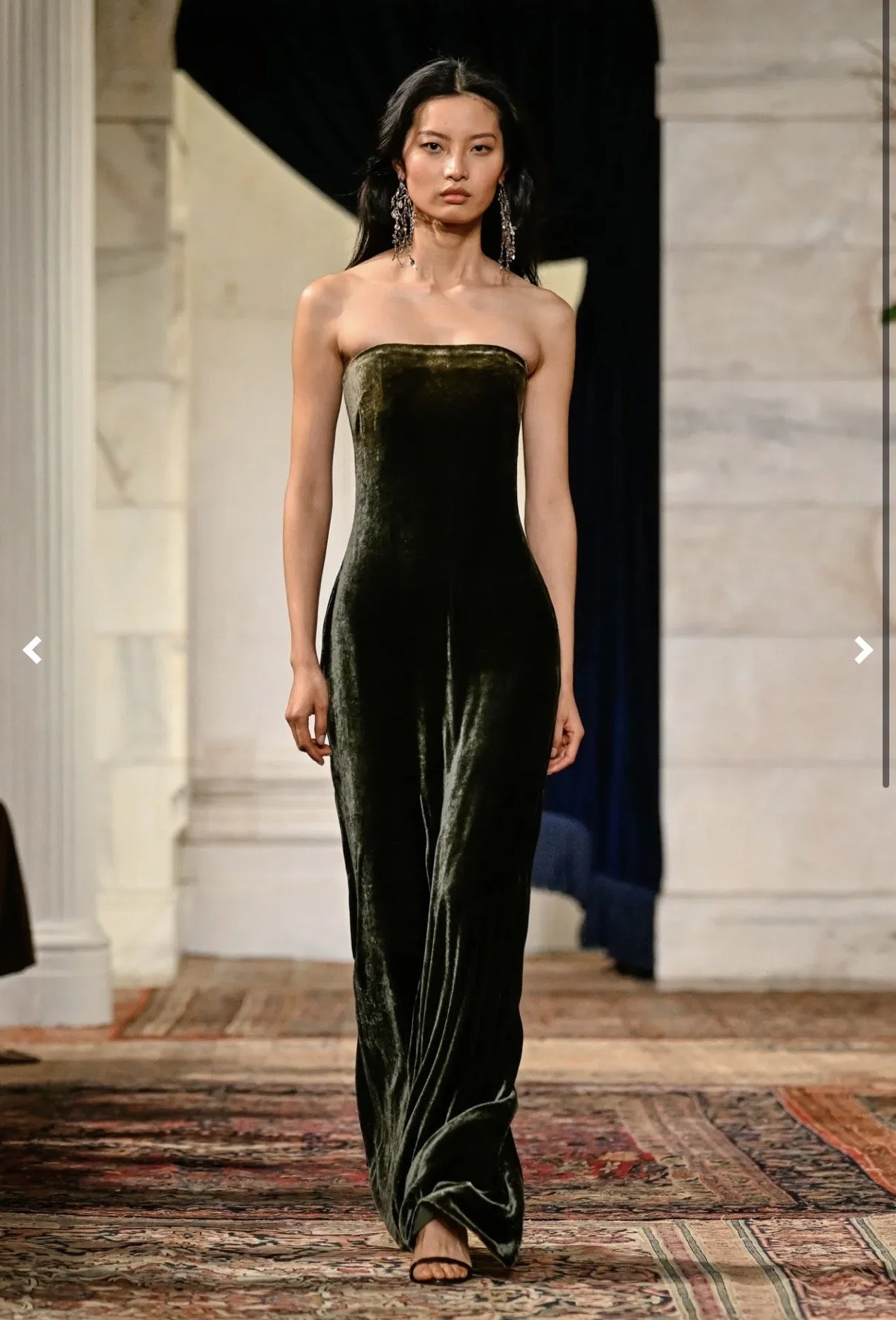
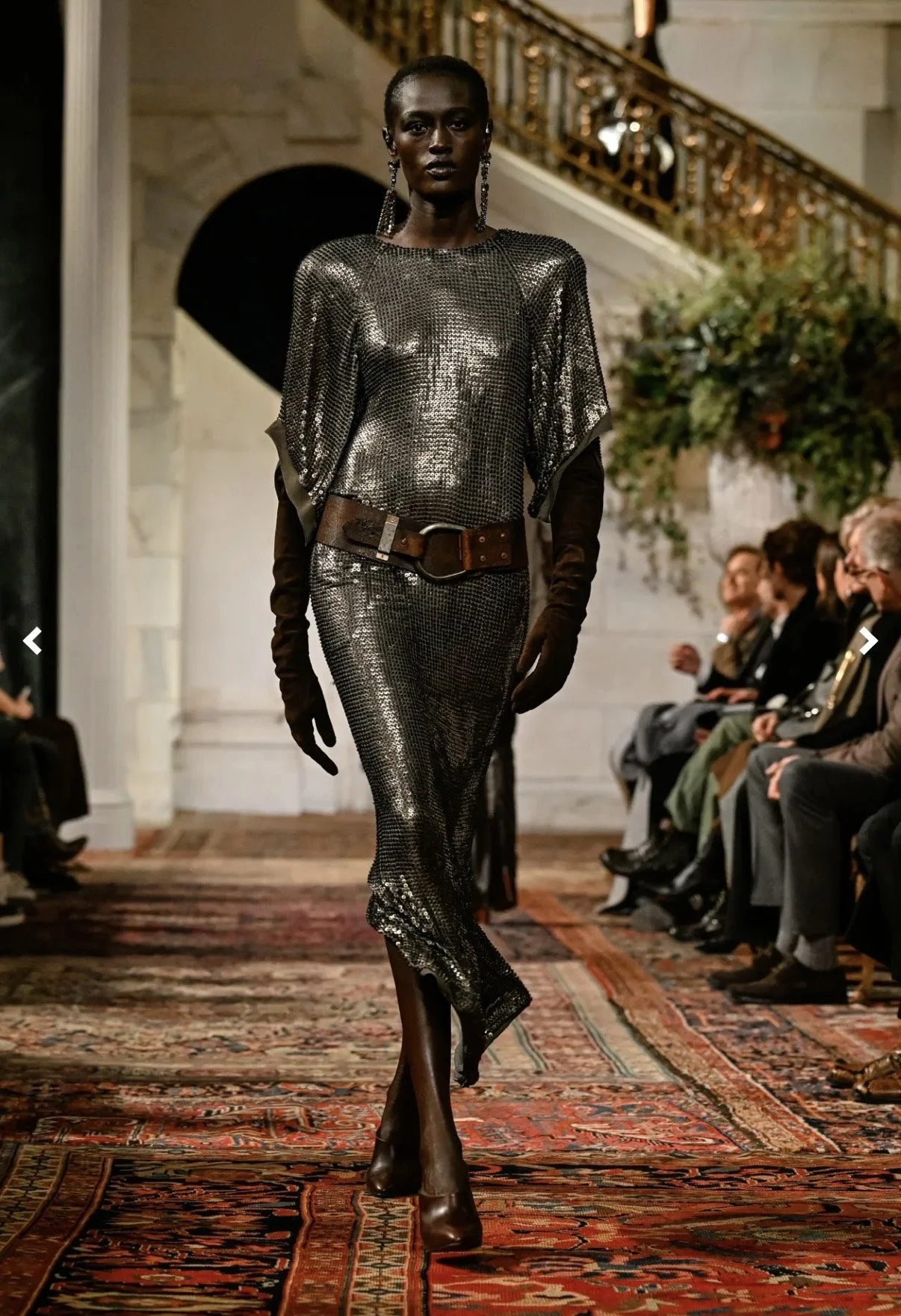
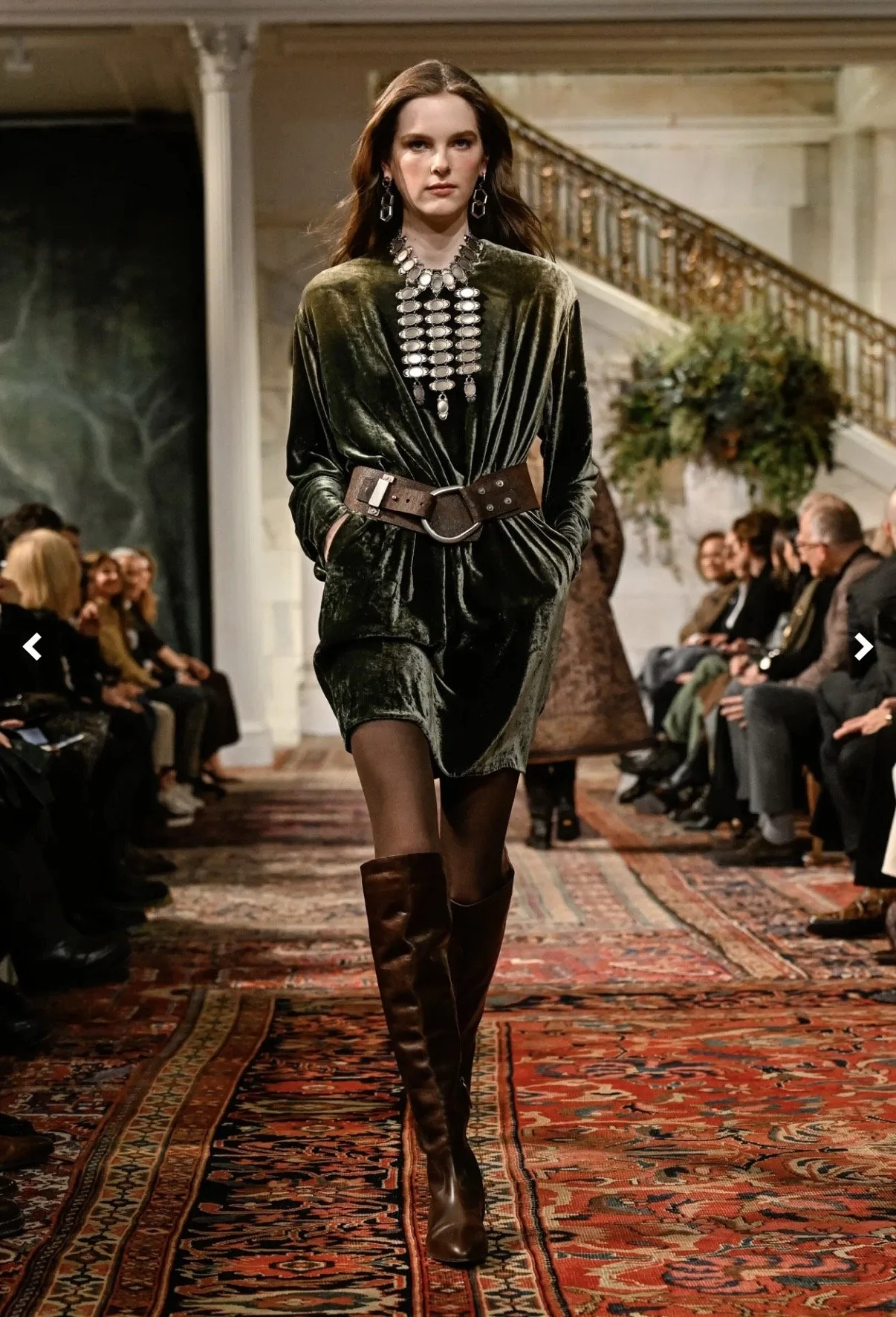
The tapestry-inspired fabrics, distressed leather, velvet, metallic detailing, and elaborate embroidery all have an almost medieval quality to them. Think intricate floral patterns, woven textures, muted jewel tones, and fabrics that almost look like they belong on the walls of an old French château. Tapestries were important displays of wealth, craftsmanship, and storytelling, and their patterns and colors are such a beautiful reference point for modern clothing.
Then there's the influence of armor. Not necessarily wearing something that looks like actual armor, but incorporating its details into everyday dressing. Silver hardware, sculptural jewelry, chainmail-inspired textures, structured shoulders, leather corsetry, and substantial belts. I love the contrast of these harder elements against something traditionally feminine, like a flowing skirt or a delicate blouse.
It's this combination that makes the collection so interesting to me. Rather than leaning entirely into historical costume, it takes elements from different periods and makes them feel wearable.
We've been here before…
This isn't the first time fashion has had a fascination with medieval Europe. There was a medieval revival during the 1960s and 70s, particularly within the counterculture and hippie movements. During the 1960s, there was a growing interest in Renaissance fairs, folk traditions, and romantic interpretations of the past. Young people embraced flowing hair, tunic-style dresses, loose blouses, and clothing that felt like a departure from the more structured fashions of the time. By the 1970s, these influences blended naturally with bohemian dressing through peasant blouses, embroidered details, bell sleeves, and earthy colors.
I think the difference with what we're seeing now is how the historical references are being interpreted. The earlier revival leaned more heavily into the free-spirited, folk-inspired side of medievalism. This current interpretation feels a little more intentional, drawing directly from historical textiles, tapestries, armor, metalwork, and romantic proportions.
There's a little more structure, a little more drama, and an interesting contrast between masculine and feminine elements. Think Joan of Arc meets a romantic European countryside wardrobe.
Bringing a little medieval into your wardrobe
Of course, I'm not suggesting we all start dressing as though we're heading to a medieval banquet, even though I would love that. The beauty of this aesthetic is finding ways to incorporate historical references into clothing we already own.
I'd start with a few key pieces:
Lace and delicate blouses: Look for high-neck blouses, lace-trimmed tops, billowy sleeves, and subtle embroidery. A simple lace blouse paired with your favorite denim instantly makes an outfit feel more romantic.
Velvet and richer textures: A velvet blazer, skirt, or handbag can add that old-world feeling. Look for chocolate brown, burgundy, deep forest green, and black.
Long skirts and interesting silhouettes: Flowing maxi skirts, gathered waistlines, asymmetrical hems, and interesting draping are an easy way to bring in a historical reference.
Belts and statement accessories: Something like antique-looking silver jewelry, ornate rings, vintage brooches, leather belts, and substantial metal detailing.
Boots and delicate footwear: Worn-in leather boots, lace-up shoes, and vintage-inspired flats work beautifully with this style.
I would also spend some time in vintage and secondhand shops. Look beyond what is currently trending and search for pieces with interesting fabrics, unusual details, and a little character. The goal isn't to recreate a historical outfit from head to toe, it's about finding pieces that feel like they have a story.
Why I love this upcoming style
I think part of the appeal of this revival is that it encourages us to slow down and be a little more intentional about what we wear. Rather than buying into an entire aesthetic, it's about finding individual pieces that you genuinely love. There's something wonderful about wearing clothing that feels like it has a story and perhaps that's why I've always been so drawn to historical fashion. It feels like an opportunity to bring a little bit of the past into our everyday lives.
And while I may not be living in a French château anytime soon, I certainly don't mind dressing as though I have somewhere else to be.